What to Wear for a Professional Portrait Session
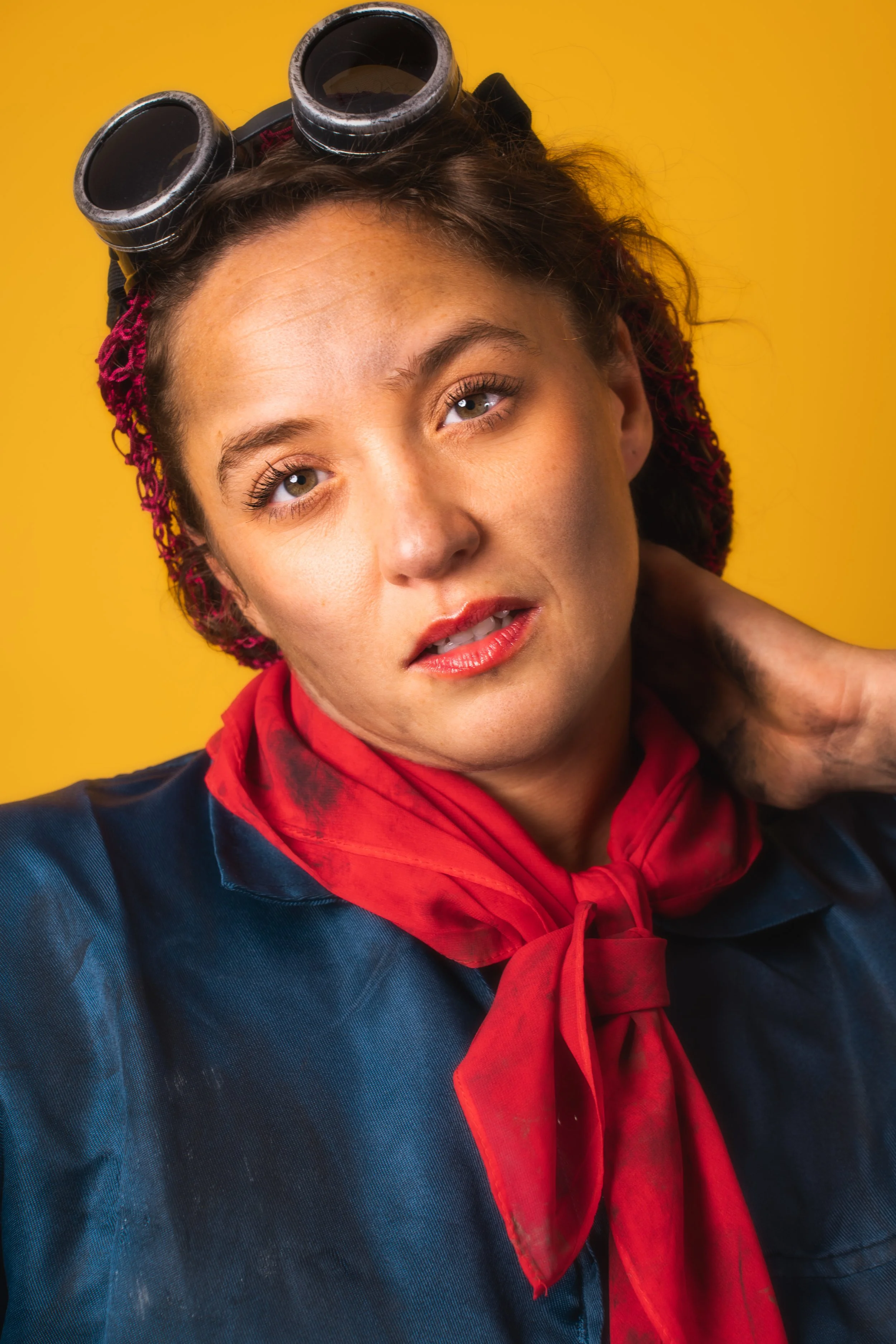
What to wear for a professional portrait session is one of the most important questions people ask before a photoshoot. Whether you are booking portrait photography for LinkedIn, commissioning corporate portrait photography, or arranging professional headshots for executives, wardrobe choices play a defining role in how you are perceived. This photograph may represent you for months, years, or even longer, across websites, social media, and marketing materials. The last thing you want is to be immortalised wearing something that felt right at the time but quickly dates. The aim should always be something considered, confident, and timeless.
What works best will depend heavily on the type of portrait being taken. You may be booking a corporate headshot for a company website, an individual session with a personal branding photographer, or imagery for acting or modelling purposes. Are you being photographed as part of a larger team, where consistency matters, or as an individual where personality can take centre stage? Each scenario calls for a different visual approach.
This guide is designed to give you a clear and practical overview of the do’s and don’ts of wardrobe choices for professional portrait photography. There are technical considerations too, but those are best left to your photographer. Someone like me. Your focus should be on what matters most. Feeling comfortable, confident, and allowing your true self to come through in the photograph.
Why What You Wear Matters in a Professional Portrait
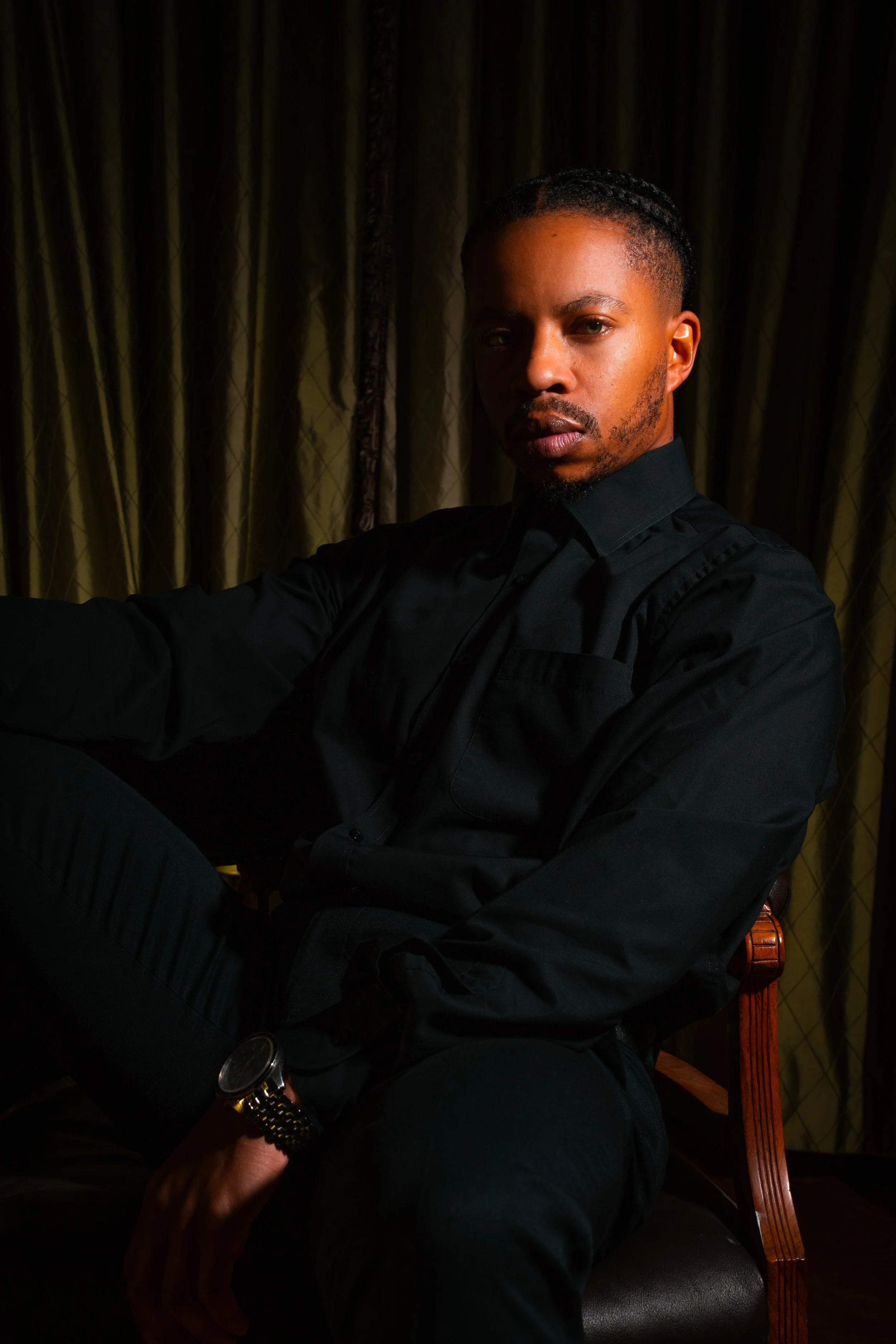
So why does it matter? Quite simply, this image may be how you are seen professionally for a long time to come. That alone can be enough to trigger overthinking, which is often the enemy of natural expression and genuine presence.
The most successful portraits present the essence of a person in a way that feels human and relatable. Clothing plays a big role in that. It does not mean you need to be fashion forward, but there should be a sense of cohesion between who you are and what you are wearing.
Equally, you do not want your outfit to dominate the image. If what you are wearing draws attention away from your face or personality, it is working against you.
In short, be yourself. Be presentable. Avoid anything overpowering. This photograph is about you, even if it is taken as part of a wider team or organisation.
Understanding the Purpose of Your Portrait
“This is about you” is worth repeating. It is the underlying purpose of any successful headshot or portrait.
At its core, a portrait exists to present you clearly to others. That might be prospective clients, an employer, a casting director, or an audience you have never met before. It is often a first impression, and as the saying goes, first impressions count.
Different audiences may look for different cues, but the fundamental aim remains the same. To see you.
Below are some common portrait types and how wardrobe choices tend to differ between them.
Corporate Headshots
Corporate headshots should feel professional, confident, and appropriate to the working environment. This is particularly true when creating professional headshots for executives or imagery intended for senior leadership teams. Most corporate settings already have an informal or formal dress code, which is a sensible place to begin.
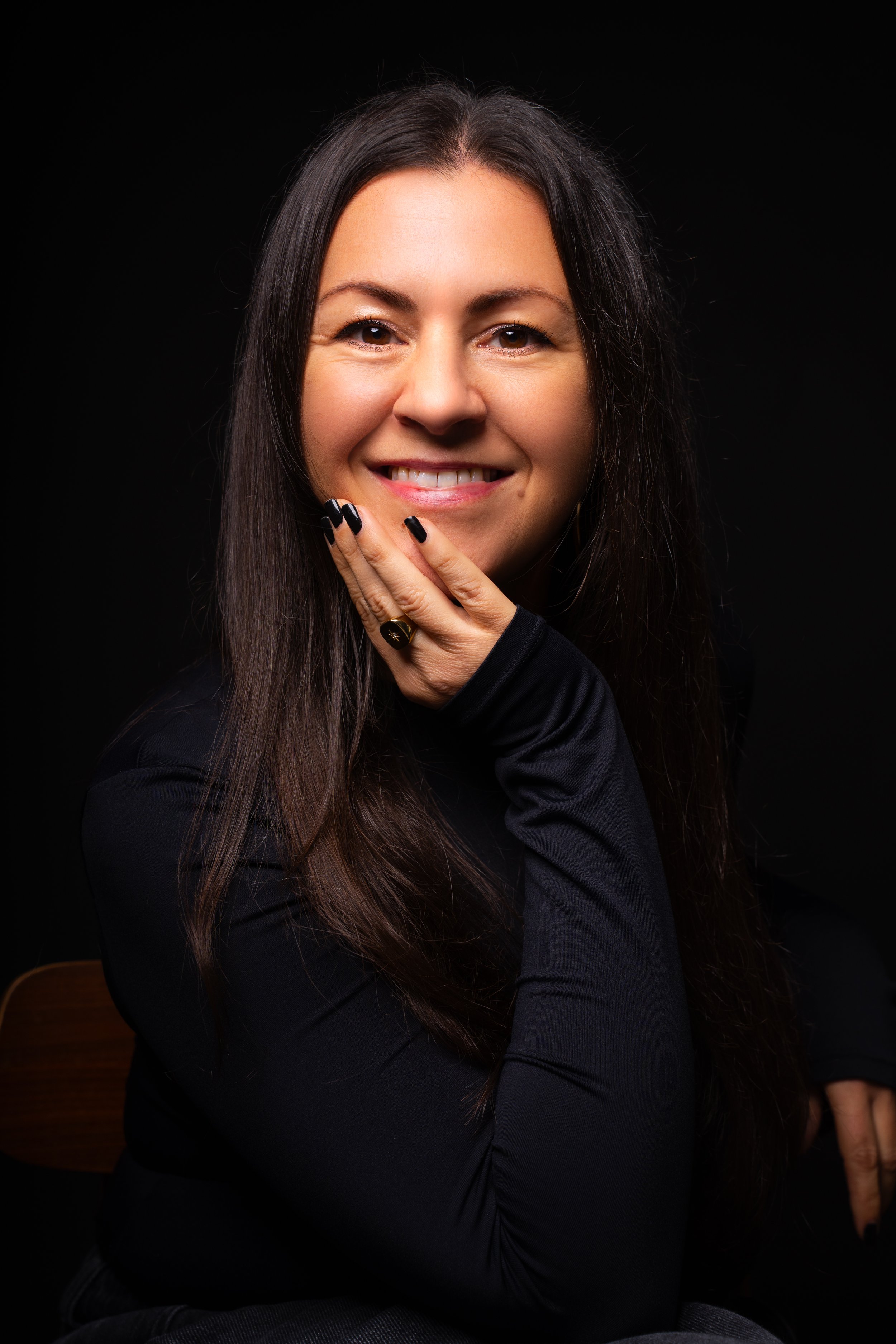
Think standard workwear. Shirts, blouses, dresses, knitwear, jackets. Attitudes have become more relaxed over time, and some workplaces are more accepting of visible tattoos or less traditional styles, particularly in creative or tech-based industries. If that reflects your workplace, it is worth bearing in mind.
Different sectors call for different looks. A tech startup may suit smart casual clothing such as jumpers and chinos, whereas a finance, legal, or corporate role may lean towards shirts, jackets, or ties. Context is everything in corporate portrait photography.
Hair and makeup should align with professional expectations. Makeup can absolutely be used, but restraint is usually best. Clean, polished, and natural tends to work well.
Corporate portraits are often photographed against white, pale, or light grey backgrounds, though not always. Because of this, I frequently recommend black, off-white, or neutral tones, as they reproduce reliably and feel timeless.
It is also worth considering where these images will be used. Corporate headshots commonly appear on company websites, LinkedIn profiles, internal systems, and marketing or PR materials. In team sessions, uniformity is often achieved not just through lighting and backgrounds, but through aligned wardrobe choices across the organisation.
Personal Branding, Creative Professionals, and Entrepreneurs
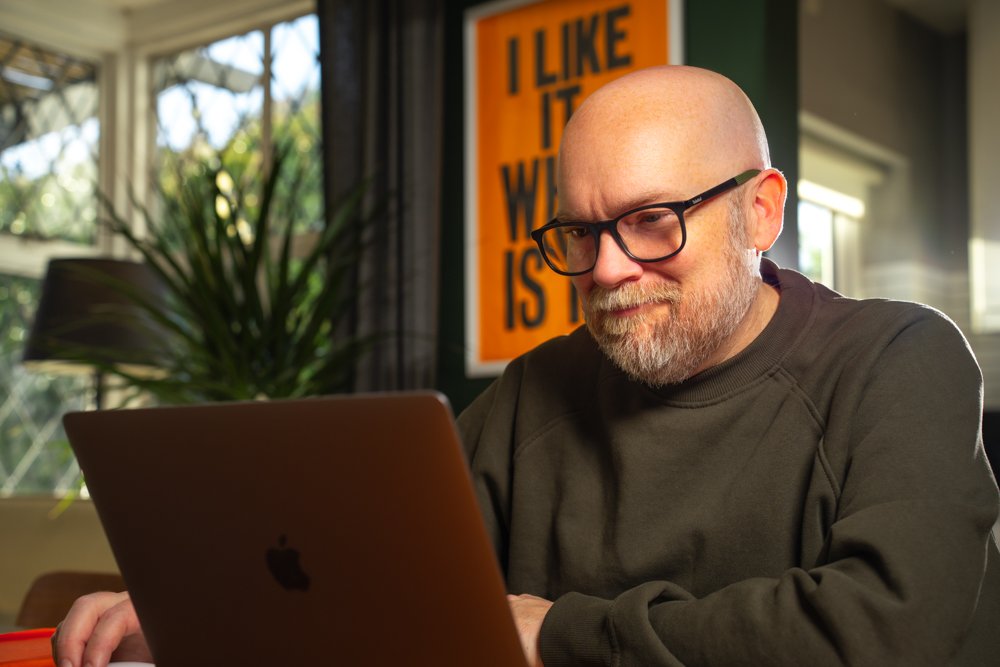
Personal branding allows far more flexibility and individuality. Many clients booking a session with a personal branding photographer already have a clearly defined visual identity, complete with brand colours, logos, and tone of voice.
This is a great opportunity to subtly extend that branding into your wardrobe. Where appropriate, clothing can echo brand colours or complement the overall tone of your website and marketing. A good photographer will help you choose a background that works harmoniously with what you are wearing.
Looking “smart” in this context means well presented and intentional. Clothes should be clean, pressed, free of lint, and in good condition. Avoid stains, visible wear, or anything that feels careless.
Always think about your audience. A t-shirt might be perfect for one profession and completely unsuitable for another. A graphic designer in a vest top may feel off-brand, while the same outfit might make sense for a personal trainer. Alignment is key.
Actors and Models
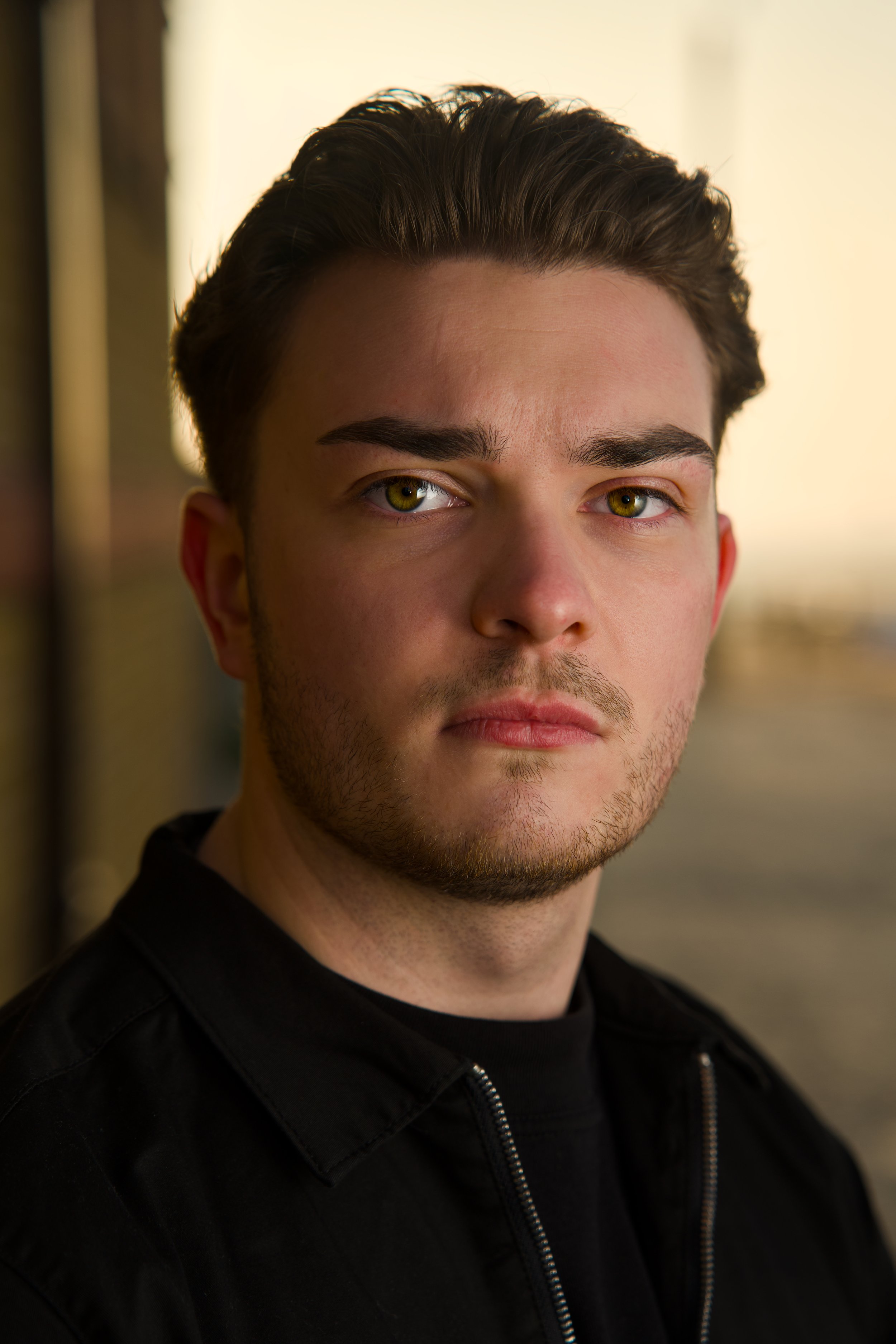
Actors and models are typically photographed with a different goal in mind. These images are often used to secure work, and casting directors or agents generally want to see the person first and foremost.
In many cases, clothing and backgrounds should fall away rather than compete for attention. Pale or neutral clothing tends to work well, and makeup is usually kept light so that personality and features come through clearly.
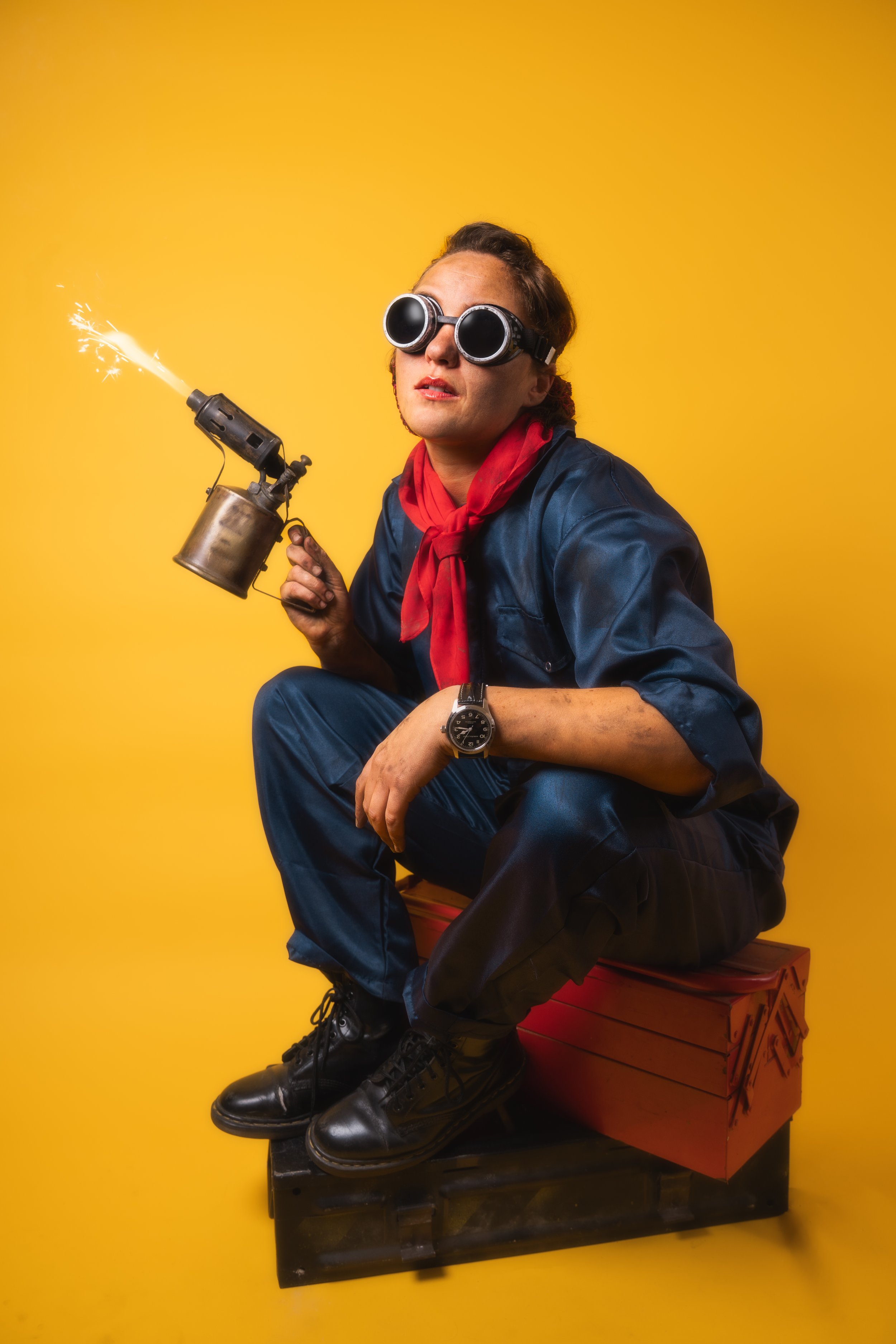
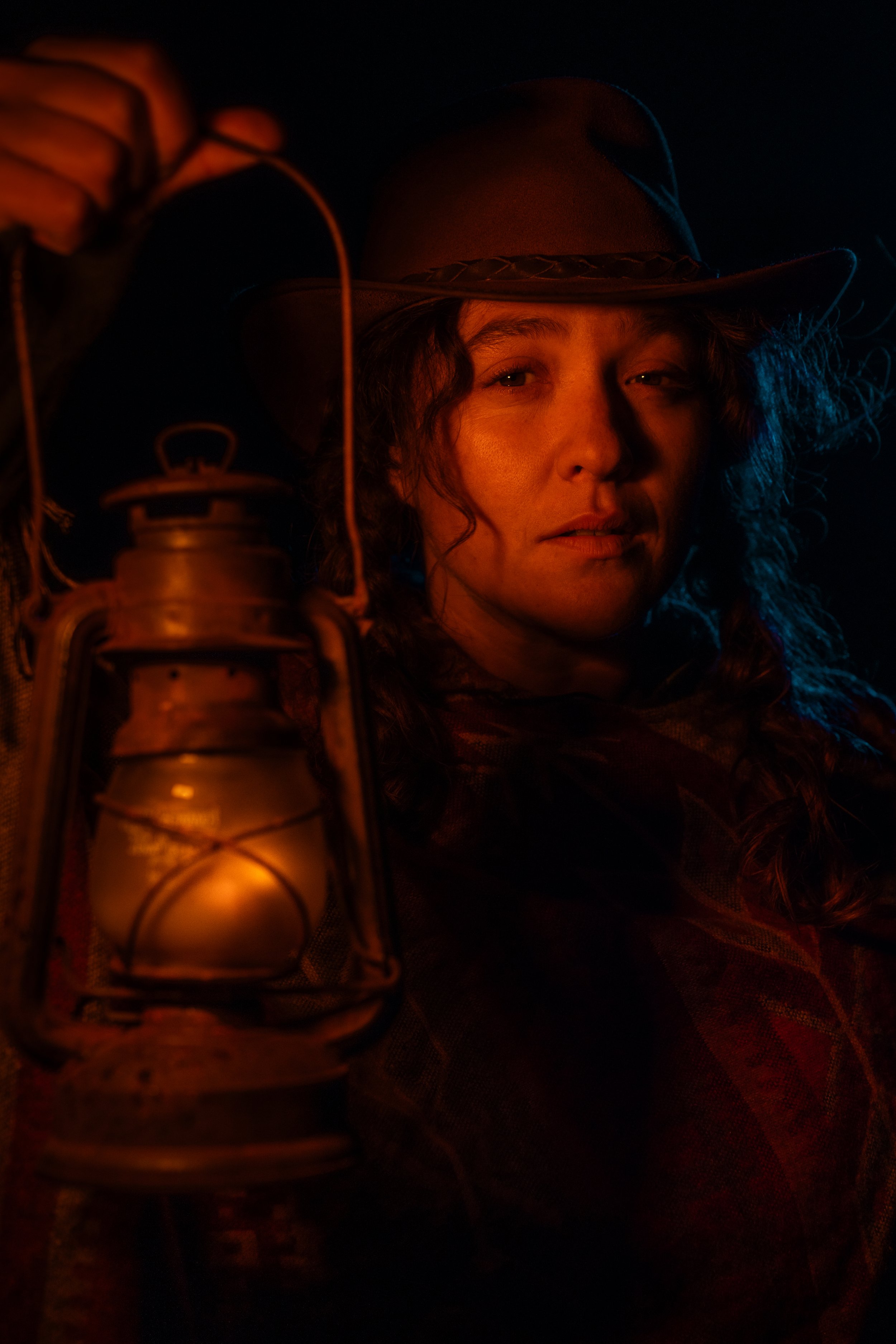
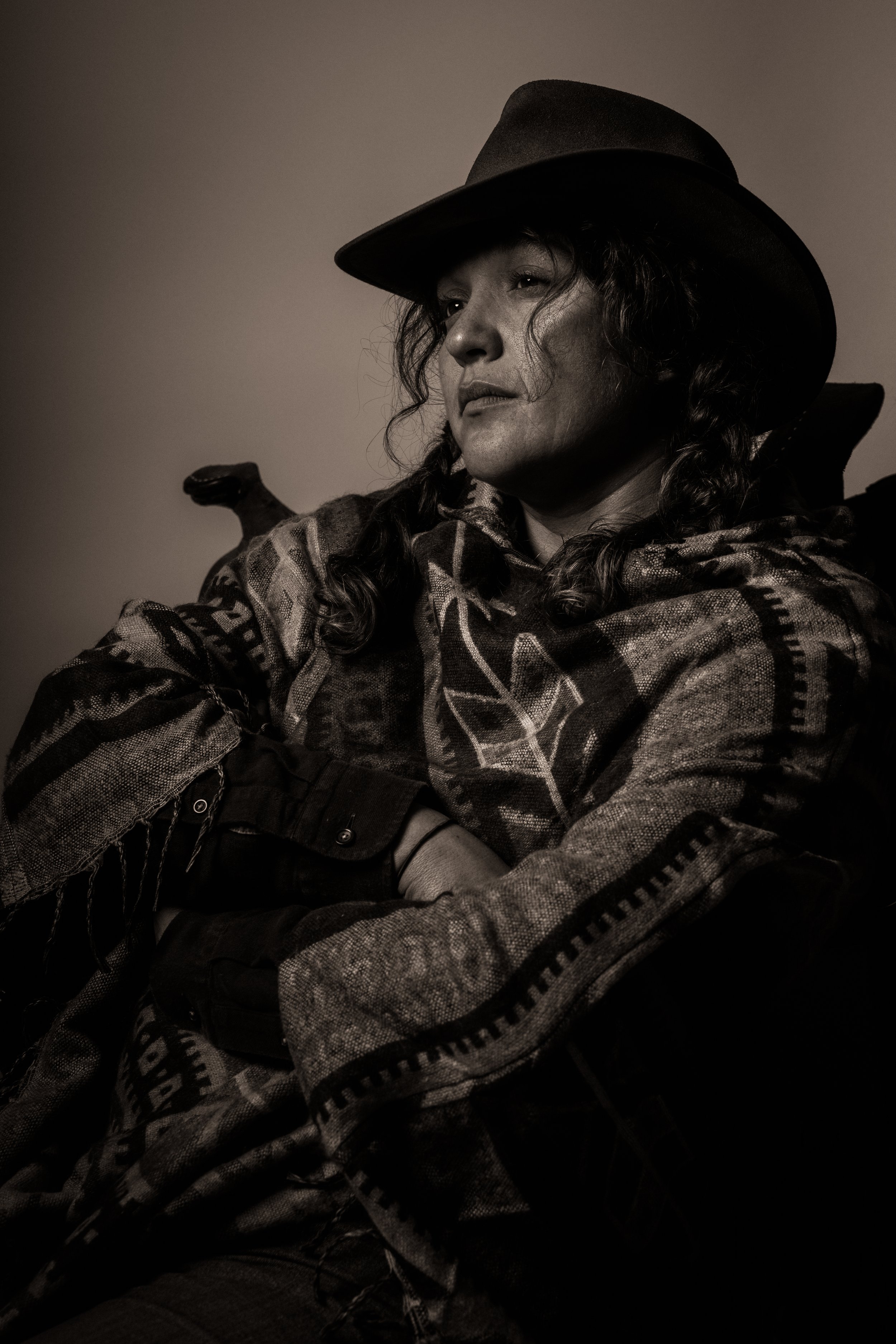
As always, the audience matters. There are situations where a more character-driven or stylised image is appropriate, particularly for portfolio work.
Alongside a clean, standard headshot, actors and models benefit from a wider body of work that demonstrates range. This may include different outfits, moods, or makeup looks. If you are starting out, creating images on a collaborative or speculative basis can be a great way to build variety and show versatility.
Choosing the Right Colours
Colour choice should always be guided by who will be viewing the photograph and what they expect to see. Corporate portraits generally call for restraint, while creative or expressive work may allow more freedom.
Always consider the message your clothing sends before the viewer has even consciously registered it.
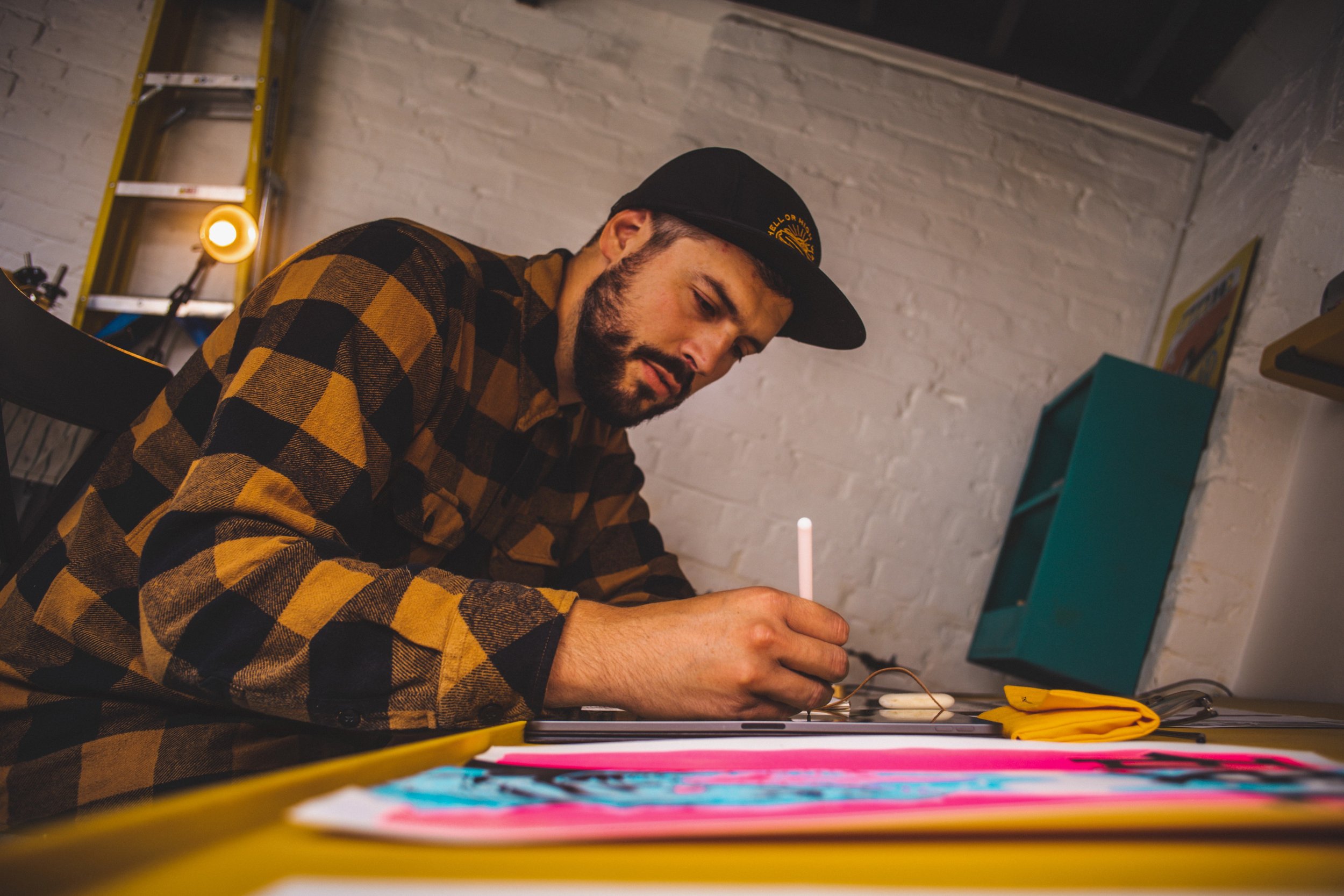
Neutral and Timeless Colour Choices
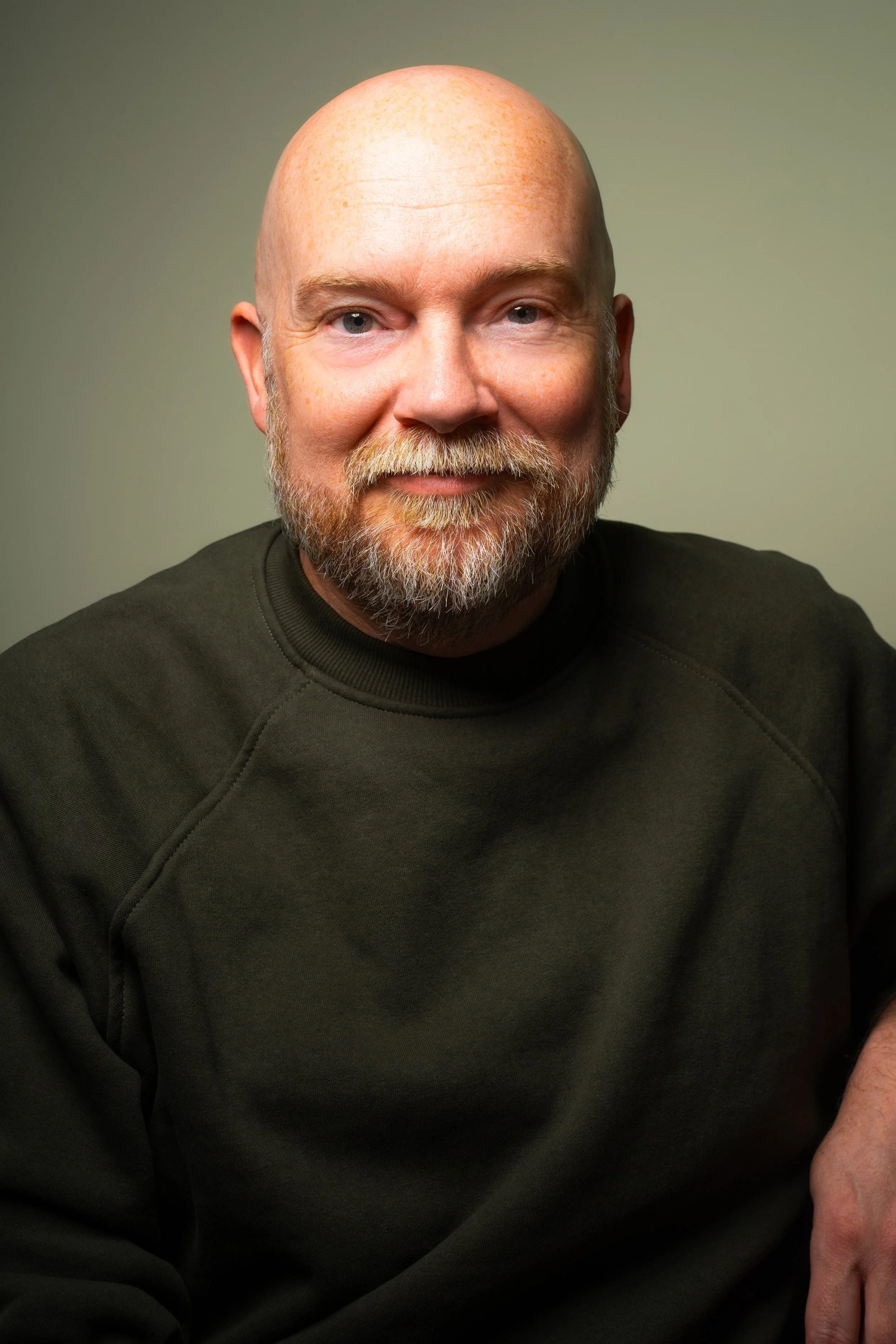
If you are unsure, neutral and timeless colours are usually a safe option across most portrait types.
Black and off-white work well, though pure white can reflect too much light and pure black can lose detail. Softer whites and dark greys often strike a better balance.
Muted and pastel tones introduce colour without overpowering the subject. Highly saturated colours can distract, particularly in corporate or acting headshots, though there are occasions where this is intentional.
Earthy tones such as browns, beiges, and khakis can be effective, but be mindful of contrast with your skin tone.
Deep blues and green tones can also frame the face beautifully and add depth when used carefully.
Fit, Fabric, and Comfort
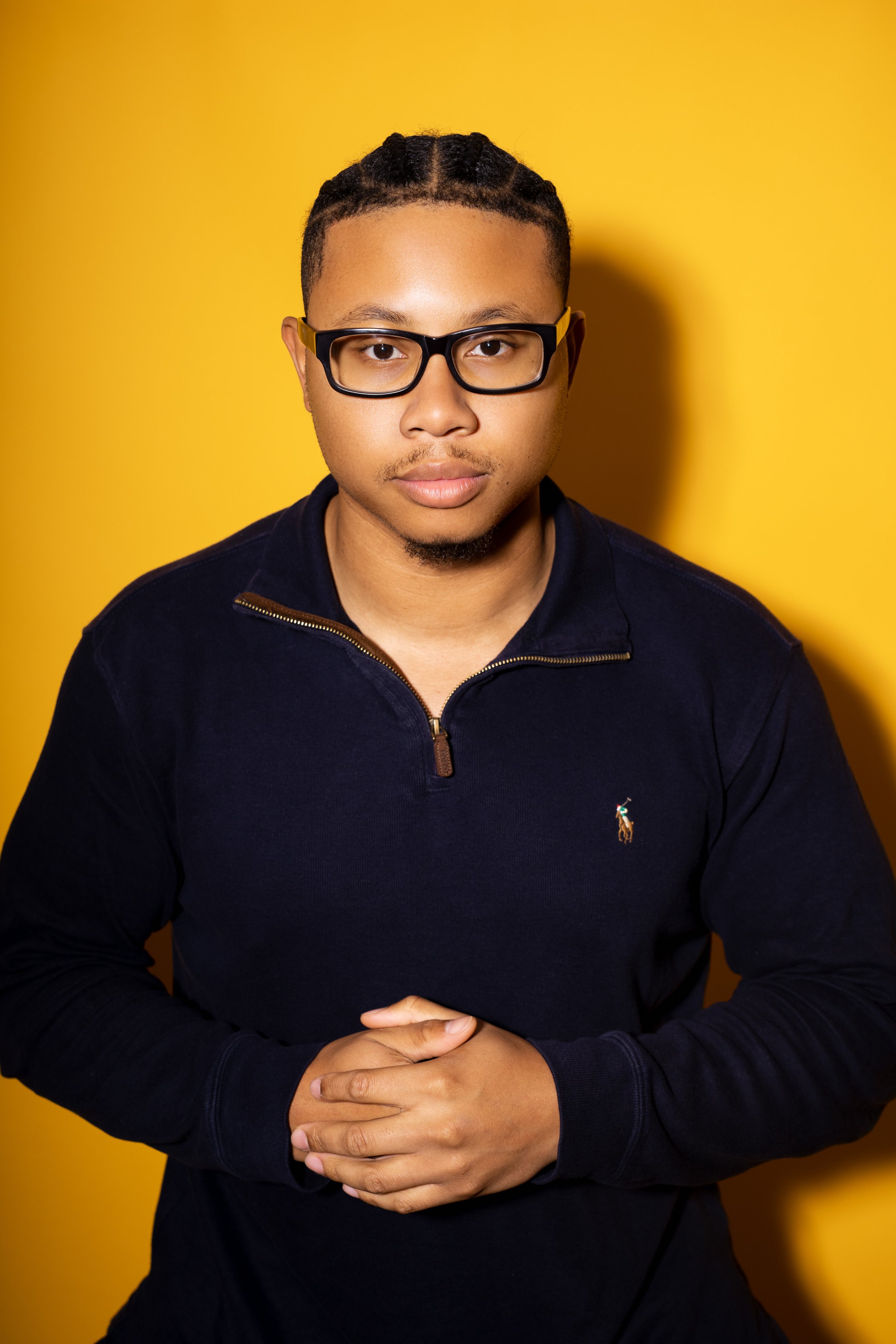
Comfort matters more than people often realise. Portrait sessions can feel intimidating, especially if you are not used to being photographed. Wearing something uncomfortable only adds to that tension.
Clothing should feel fitted without being restrictive. If it affects your breathing or posture, it will show. Most portraits are framed from the chest up, so focus your attention there and remember that your expression carries the image.
Overly loose clothing can also be problematic, creating excess fabric and an untidy silhouette. Aim for balance.
As a general rule, soft fabrics photograph better than rigid or shiny materials. Avoid rain jackets, and plastic finishes.
Moire and Fabric Choices That Photograph Well
One technical point worth mentioning is fabric patterning. Digital cameras struggle with very fine or complex patterns, which can create a distracting visual effect known as moire.
If a pattern feels busy or highly detailed, it is best avoided. Simple, clean designs are far more reliable.
Matte cottons, silks, and high quality synthetic fabrics tend to photograph well. When in doubt, discuss wardrobe options with your photographer or bring alternatives so you have flexibility on the day.
Accessories and Logos
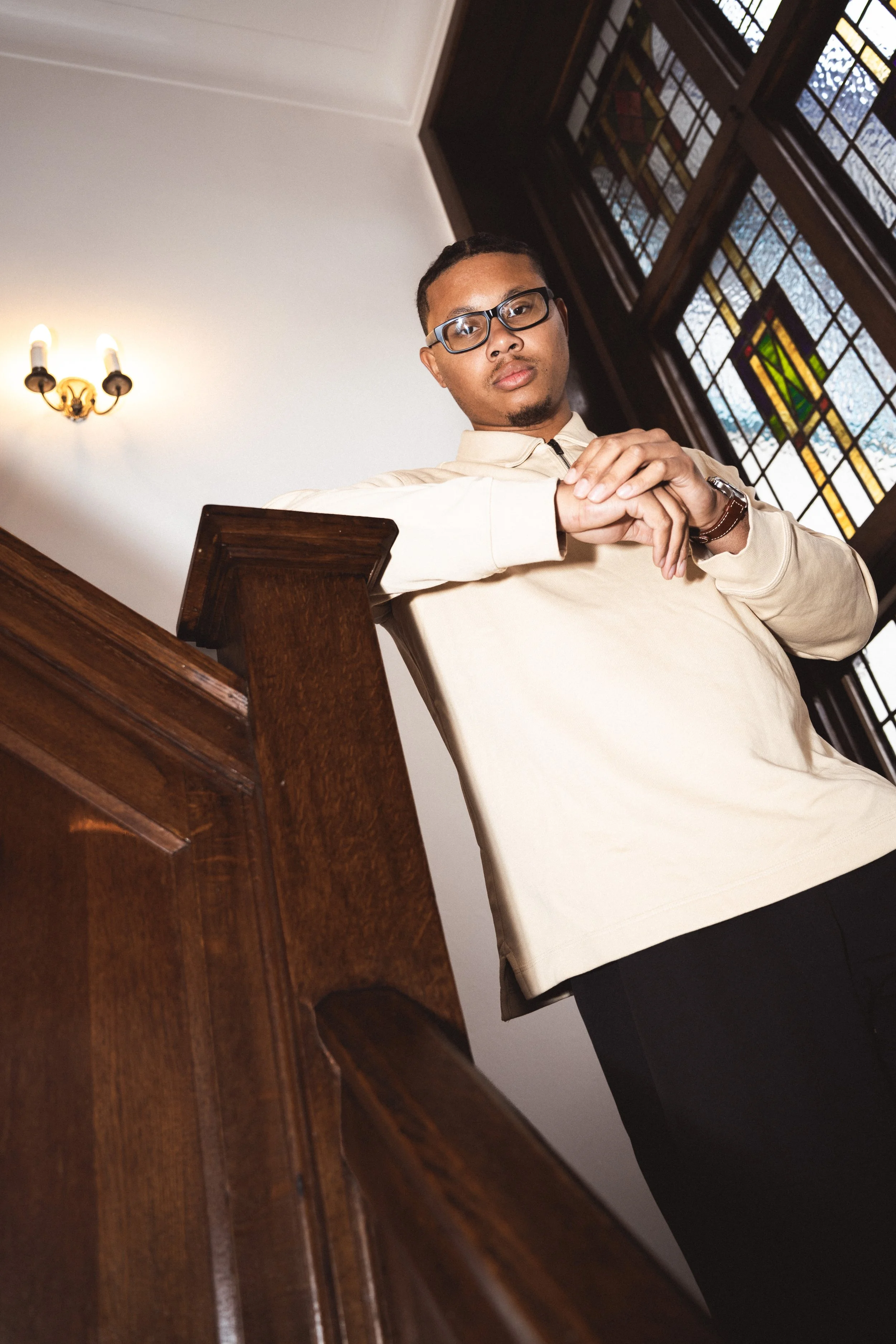
Visible logos and branding are generally best avoided unless the portrait is intended to represent that specific brand. Large or obvious logos can be distracting and may create unintended associations.
Accessories should be minimal and intentional. These portraits are about the person, not the props.
Accessory Enhancements, Not Distractions
Jewellery can work well when chosen carefully. In corporate settings, subtle pieces such as stud earrings are often ideal. More expressive or statement pieces may suit creative or portfolio work.
As with everything, consider the audience and the purpose of the image.
Hair, Makeup, and Skincare
Hair and makeup choices will vary by profession and individual style, but the guiding principle remains the same. Nothing should obscure or distract from your face.
Avoid hairstyles that cover your eyes or hide your features. The goal is clarity and connection.
There is usually time before and during the session to check hair and makeup, whether with a mirror, your photographer, or a quick glance on camera. Small adjustments are normal and expected.
Shoes and What’s Below the Frame
In most cases, what is below the frame matters very little. As long as your overall outfit makes sense and you feel comfortable, it is not something to worry about excessively.
That said, portrait sessions can last anywhere from a few minutes to several hours. Comfortable footwear is worth considering, particularly if you will be standing for extended periods.
What to Bring
Bring your chosen outfit, and if possible, an alternative option in case you change your mind on the day. A small mirror, phone, or comb can be useful for quick checks.
Be mindful of time constraints. Corporate sessions are often tightly scheduled, while longer bookings allow more flexibility for outfit changes.
Most importantly, bring a positive mindset. A relaxed, open attitude makes a genuine difference to the final images.
Final Thoughts
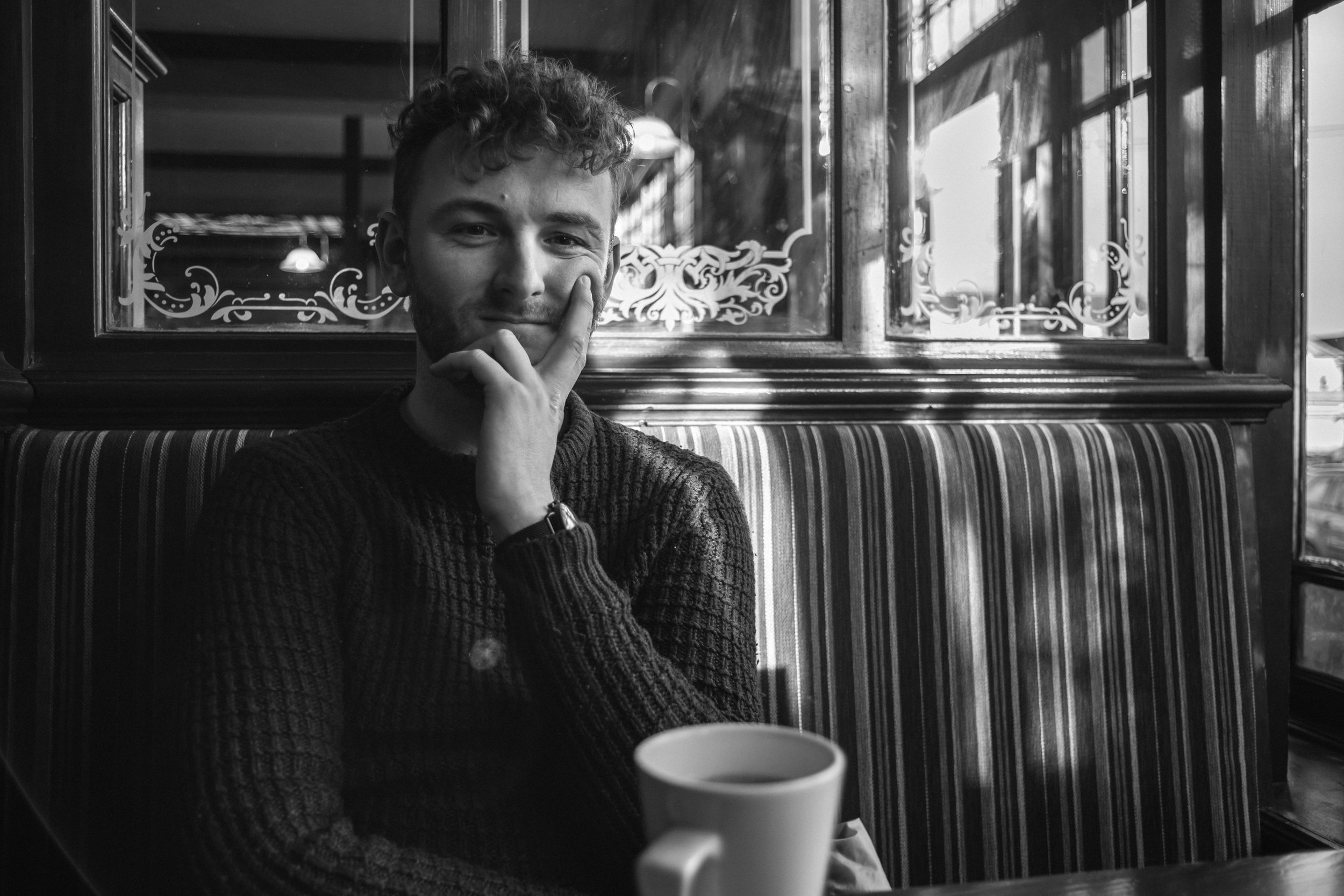
Choosing what to wear for a professional portrait does not need to be overwhelming. Whether you are commissioning corporate portrait photography, investing in portrait photography for LinkedIn, or simply trying to understand business headshot cost and value, preparation makes a genuine difference.
Focus on clarity, comfort, and intention. Dress in a way that reflects who you are, aligns with your audience, and allows your personality to come through without distraction. If you are ever unsure, your photographer should be part of that conversation. Thoughtful preparation combined with professional guidance will always produce the strongest results.
Quick Wardrobe Checklist
Clothes are clean, pressed, and well fitted
Colours complement your skin tone and background
No distracting logos or busy patterns
Fabrics are soft and matte
Hair and makeup feel natural and intentional
Outfit aligns with your industry and audience
Working With a Portrait Photographer
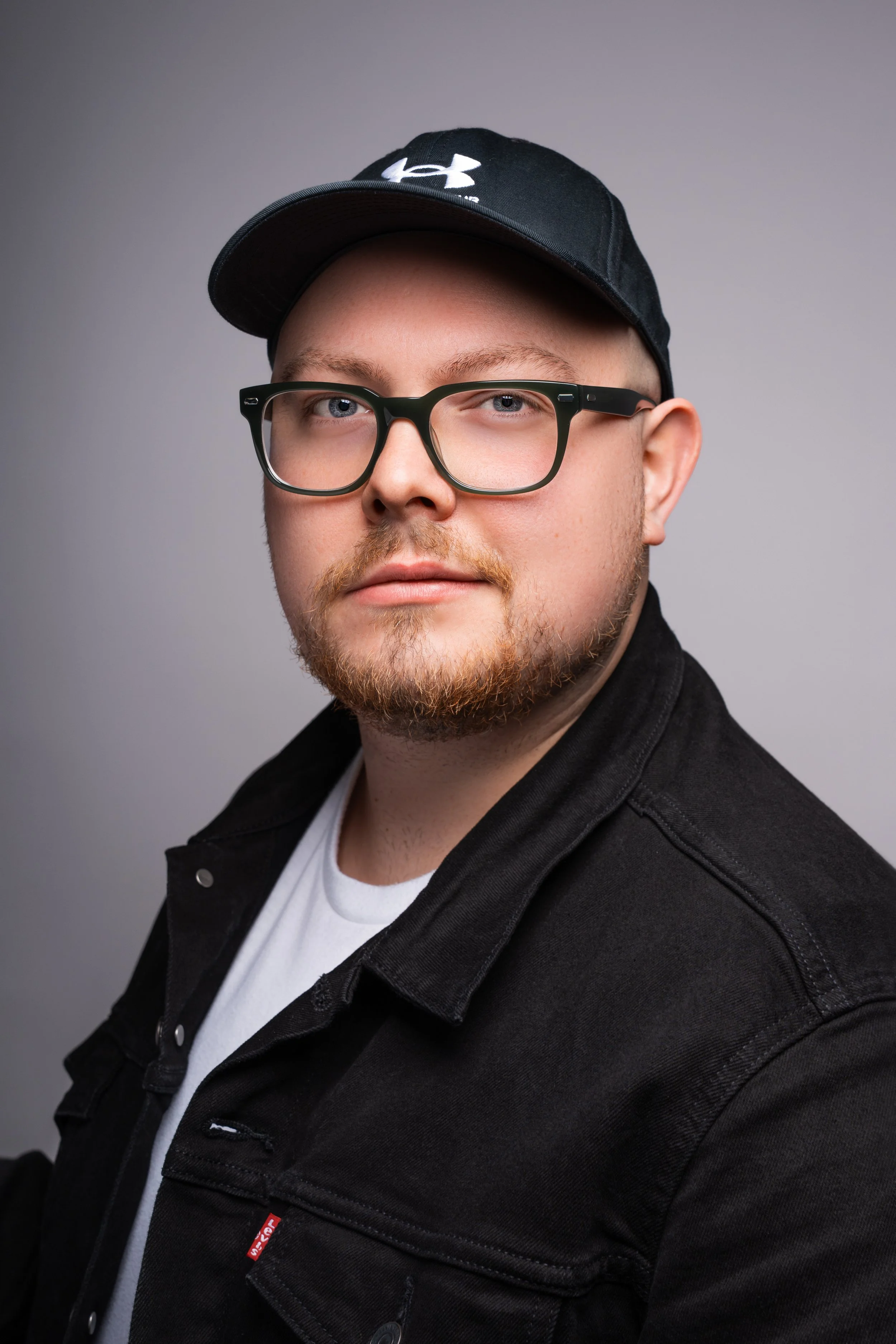
I work with brands, businesses, and individuals across Essex, London, and the UK, creating professional portraits that feel authentic and considered. From professional headshots for executives to creative personal branding sessions, my approach is always tailored to the person in front of the camera.
If you’re looking for a commercial photographer in Essex or London, feel free to get in touch.