What Does a Professional Food Photography Shoot Include?
Introduction
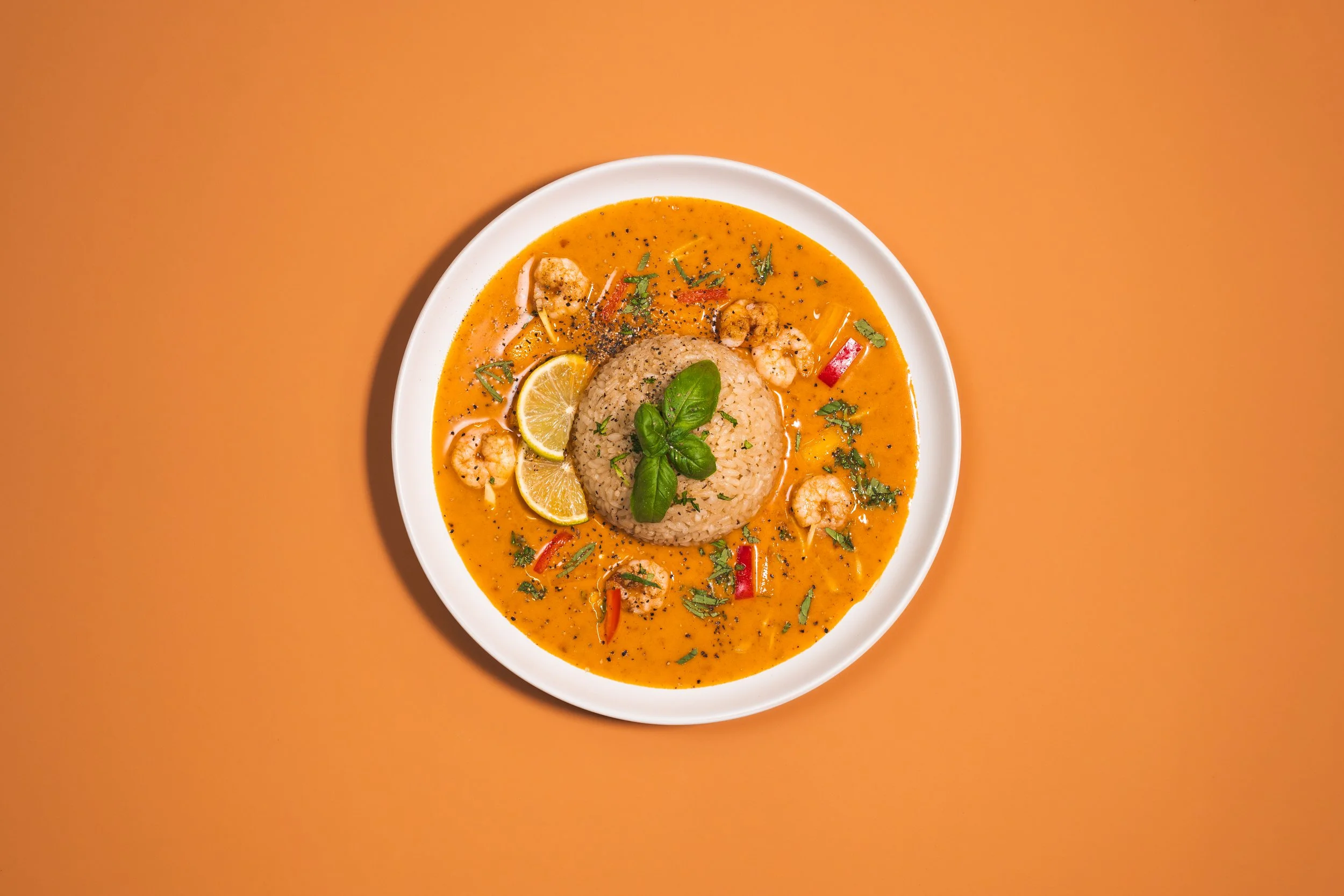
What does a professional food photography shoot include? This is a broad question that deserves a detailed breakdown to fully understand. It is an important consideration for anyone looking to invest in food photography for a business, personal project, or brand. Every photographer has their own approach and standards of delivery. The elements involved can range from pre-production planning to the shoot itself, and finally to post-production, where the final images are delivered.
The type of business also shapes expectations. An independent chef preparing a cookbook will have very different requirements than a chain of restaurants. Food photography scales differently depending on purpose, audience, and medium.
In this blog, I will guide you through the stages of a professional food photography shoot, including what to expect, key considerations, and tips that can help you get the best results for your business or brand. Whether you are exploring food photography for packaging, looking to improve your restaurant imagery, or researching commercial food photography pricing, this guide will provide clarity.
Why Businesses Invest in Professional Food Photography
Professional food photography is more than just pretty pictures. It is an investment in marketing that can pay off in multiple ways. Great images tell a story, communicate quality, reinforce brand authority, and ultimately drive sales.
Many businesses rely on user-generated content or smartphone photography. While these can serve a purpose, they rarely match the technical and creative standards of professional photography. For example, smartphone cameras have smaller sensors, lower resolution, and limited adaptability for large-scale use, such as billboards or print campaigns.
Professional food photographers bring knowledge and foresight. They combine lighting, shadow, color, and composition to create images that convey a specific atmosphere or feeling. These images are adaptable for multiple marketing channels, from social media campaigns to menu photography. Ultimately, professional imagery provides a higher level of consistency, appeal, and impact, making it a valuable business asset.
What “Professional” Actually Means in Food Photography
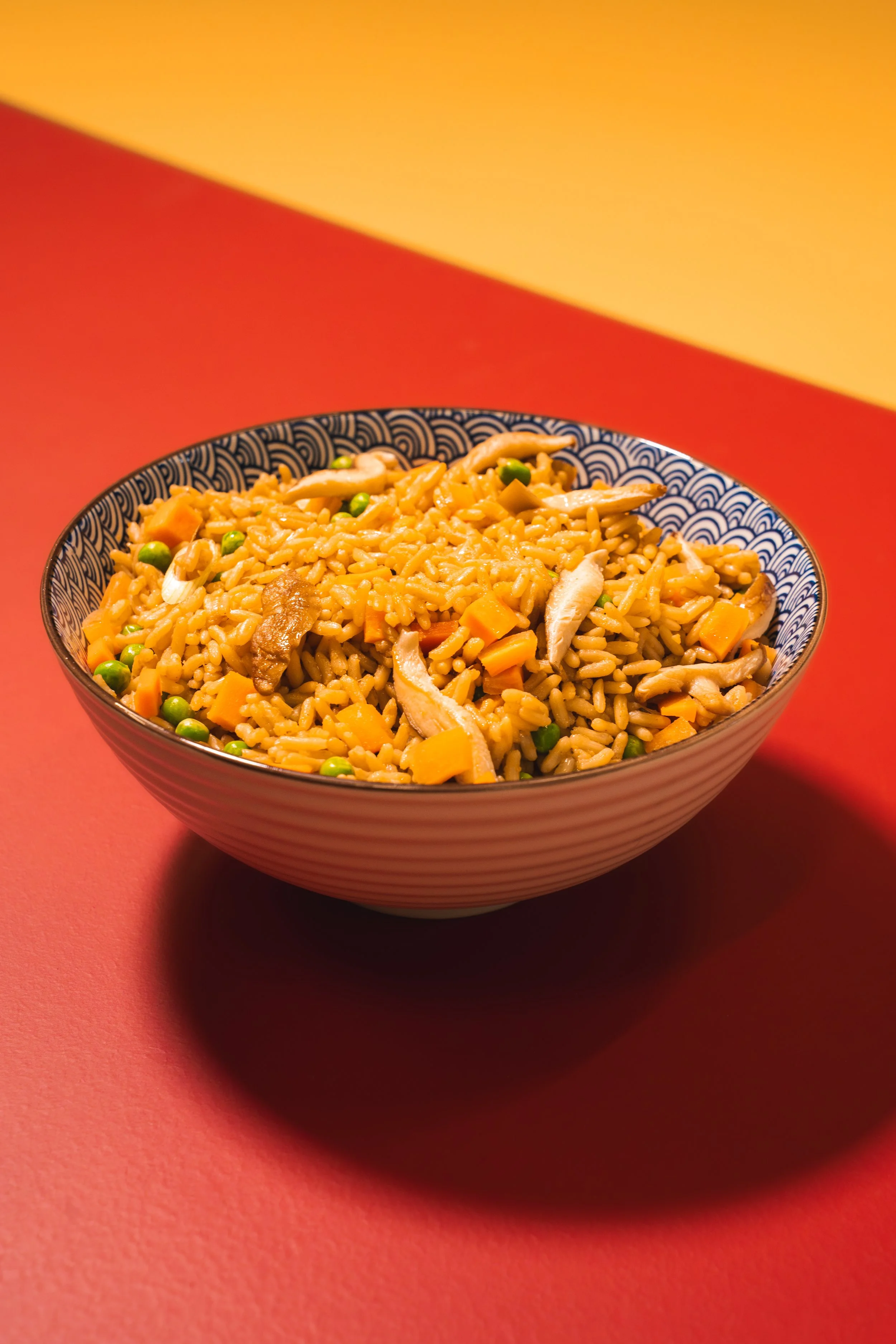
So what defines professional food photography? Key indicators include:
Experience and credibility: Has the photographer worked with legitimate businesses and delivered high-quality results? Are the images commercially viable for professional use?
Technical quality: Do the images hold up to scrutiny compared to magazine or advertising photography? This includes clarity, focus, lighting, and shadow control.
Consistency and style: Every photographer has a unique style, but professional work ensures that composition, tone, and lighting complement the food.
Understanding textures and food types: Different foods require different lighting and styling techniques. A skilled photographer anticipates these variables.
Food stylists also play a critical role in professional shoots. They present the food at its best, making adjustments on the fly to enhance appearance. Together with the photographer, they ensure that every shot aligns with the client’s vision.
Professional work also involves careful management of time and process, ensuring the shoot runs smoothly and efficiently.
Pre-Production and Planning
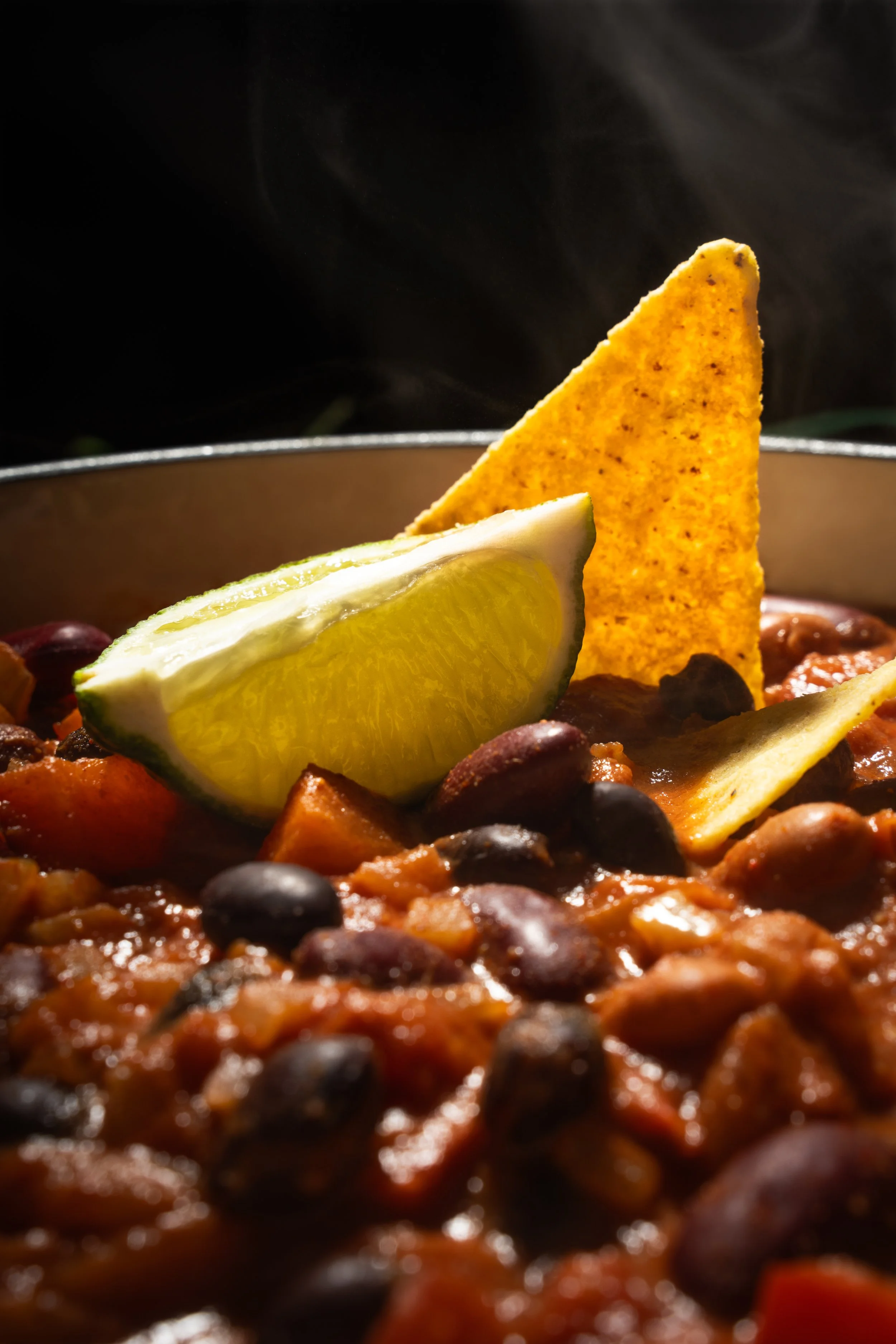
Pre-production is the first tangible step in a professional food photography shoot. It begins after your initial consultation with a photographer and before the day of shooting.
The pre-production phase typically includes:
Client meetings: Understanding your brand, requirements, and marketing goals.
Planning and proposals: Outlining the shoot process, budgeting, and research to avoid unexpected costs.
Production documentation: Developing schedules, illustrative sketches, and shot lists.
Checkpoints: Regular updates and communication to ensure alignment before the shoot day.
Understanding the Brand and Intended Use
Knowing where your images will appear is crucial. Photography for a website hero banner requires different framing than images for packaging. This foresight ensures images are optimised for their intended purpose, whether you are considering food photography for packaging or menu visuals.
Shot Lists and Visual Direction
Shot lists and visual direction keep the shoot on track. They outline what to photograph, composition ideas, and the desired atmosphere. Some photographers prefer flexibility, while others rely on structured studio setups. Bundling these documents in a single master spreadsheet can improve collaboration and efficiency.
On the Day of the Food Photography Shoot

Shoot days can vary depending on location, logistics, and complexity. Typical shoots last between three to ten hours, including setup, lighting adjustments, and multiple takes.
Lighting and Composition
Lighting options range from natural to studio setups, depending on your desired tone. Experimentation is encouraged when time allows. Composition must consider final formats, such as packaging, website, or advertising.
Working on Location vs Studio
Studio shoots offer control, clean backgrounds, and predictable results. Location shoots, like working restaurant kitchens, provide authenticity and a natural atmosphere. Each choice affects the overall look of your images.
Collaboration During the Shoot
Successful shoots rely on clear communication between the photographer, food stylist, and client. Clients may review images on the fly, providing feedback to ensure expectations are met. Collaboration ensures the best possible outcome while respecting roles and responsibilities.
Food Styling and Preparation
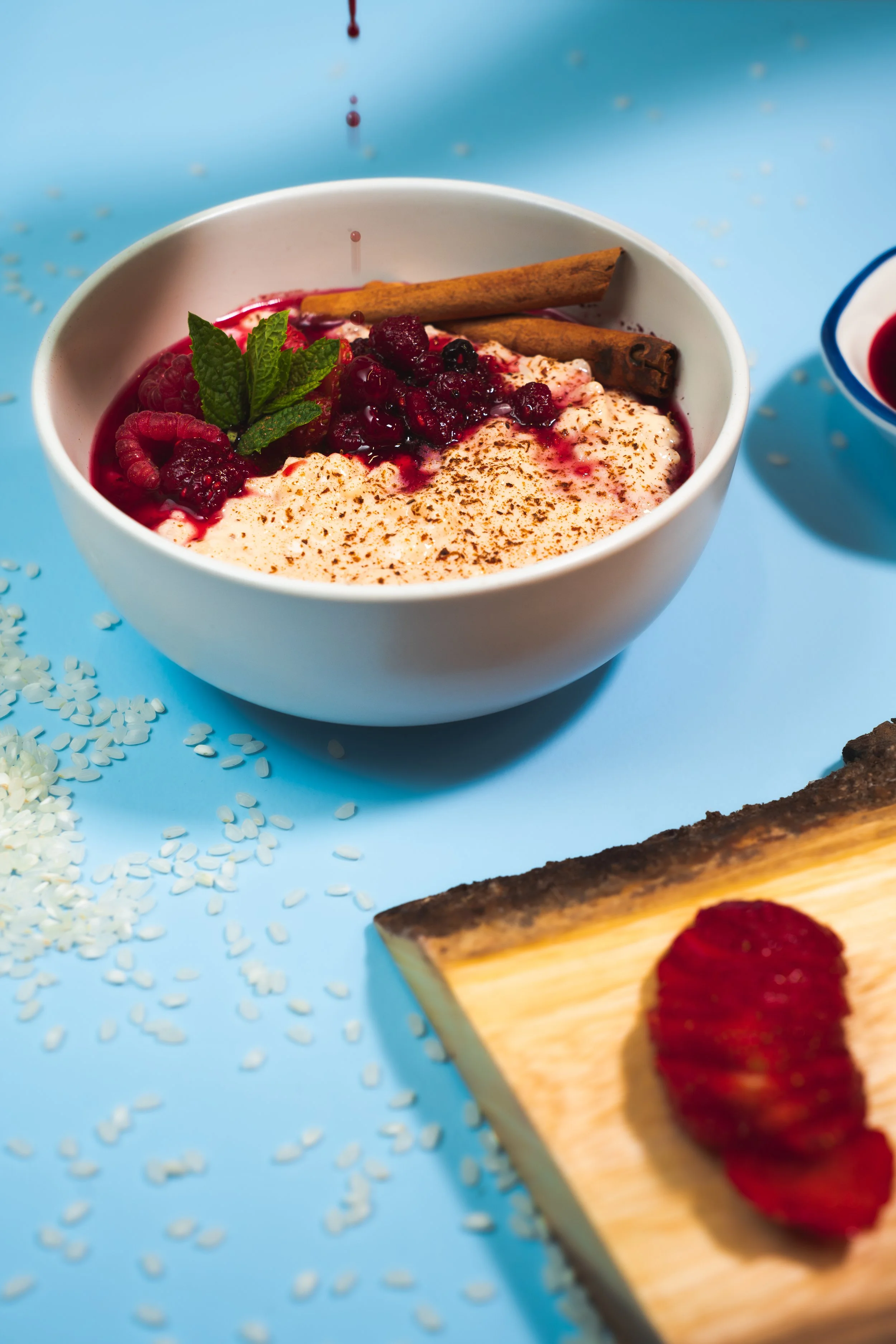
Food stylists are essential for professional shoots. They understand plating, texture, colour, and presentation, enhancing the food’s appearance beyond what a photographer alone can achieve.
Food Styling Explained
Food styling is the art of making food visually appealing. Stylists manipulate ingredients, textures, and presentation to create images that resonate with viewers.
Who Handles Styling?
Photographers work with stylists during pre-production and on the shoot day to ensure alignment with brand and campaign goals. Experienced photographers can recommend stylists they trust, which streamlines the process and ensures consistent results.
Post-Production and Image Retouching
After the shoot, images undergo post-production, including processing, colour correction, and retouching.
Colour Correction and Consistency
Colour correction adjusts hues, tones, and saturation to match brand guidelines and maintain consistency across all images. This ensures all photos feel like part of the same campaign or product line.
Retouching for Realism
Retouching removes distractions, enhances textures, and can include compositing for complex shots. This stage ensures that images look polished while remaining natural and appetizing .
Image Usage, Licensing, and Delivery
When hiring a photographer, remember that image licensing is separate from production costs. Licensing grants you legal rights to use the images for specific purposes, such as:
Packaging
Advertising
Print campaigns
Digital marketing
Social media campaigns
Licensing fees vary depending on usage, audience size, and duration. Some photographers include basic rights, while others charge separately. Always confirm licensing upfront to avoid unexpected costs.
Images are typically delivered as high-resolution TIFFs, JPEGs, or PNGs. RAW files are generally not included unless specifically requested.
What Affects the Cost of a Food Photography Shoot?
Factors that influence commercial food photography pricing include:
Scope: The number of dishes, products, or menu items to photograph.
Time: Duration of the shoot, setup, and post-production.
Styling: Whether a food stylist is involved and the complexity of styling.
Usage: How and where images will be used, including licensing.
Deliverables: Number of final images, formats, and file types.
Understanding these elements helps you budget effectively and ensures you get the results you need.
Final Thoughts: Is Professional Food Photography Worth It?
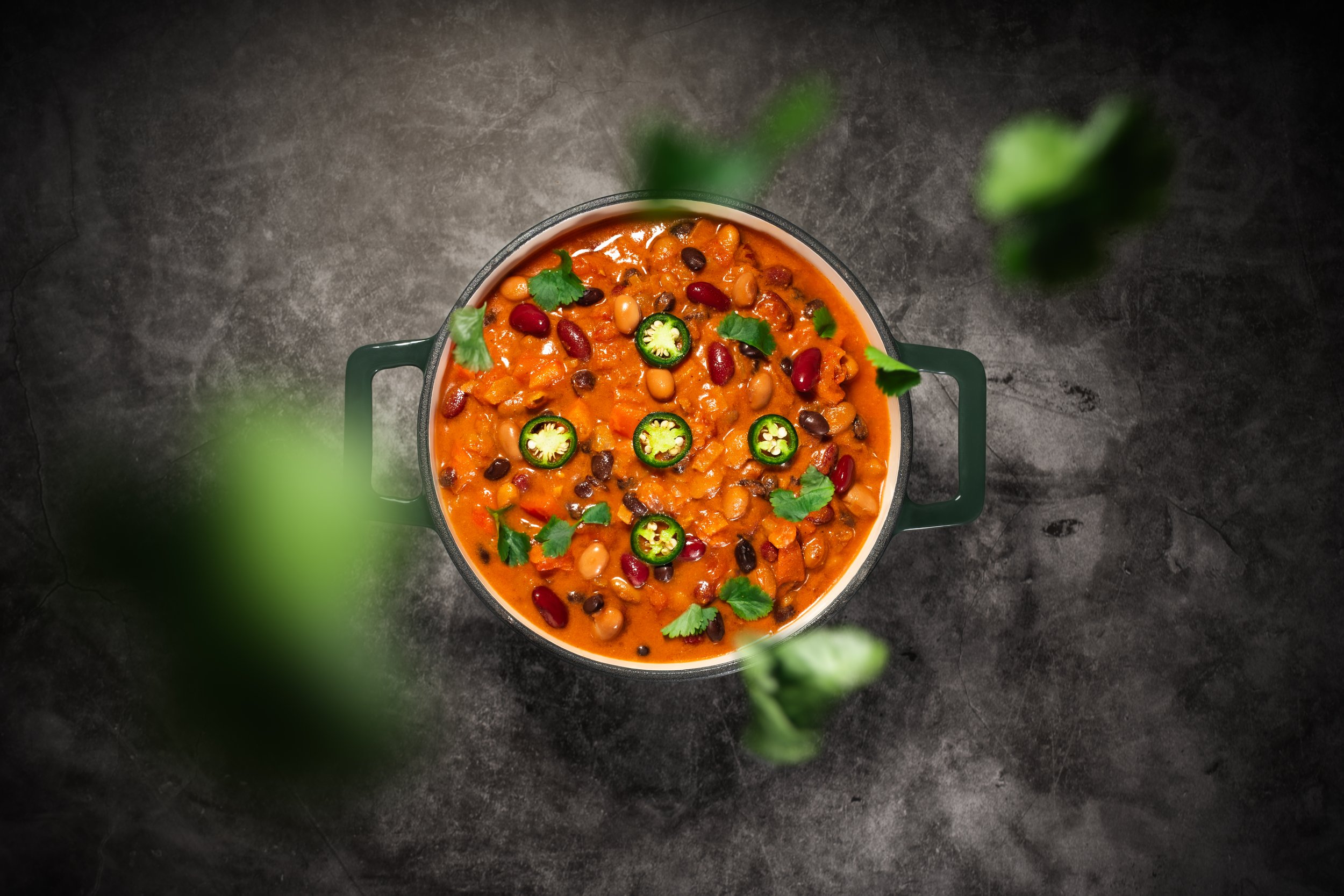
Professional food photography is an investment that adds value beyond visual appeal. It communicates quality, reinforces your brand, and can directly boost sales. By investing in experienced photographers and stylists, you ensure consistency, technical excellence, and images that stand out across all platforms.
If you’re looking for a food photographer for restaurants or brands across Essex, London, and the UK, feel free to get in touch. Whether you need restaurant menu photography tips, food photography for packaging, or guidance on food photography licensing for restaurants, I can provide tailored solutions to meet your needs.